Visit Camden County, Georgia, and the Surrounding Areas
Wild & Untamed: Exploring Cumberland Island's Rich History
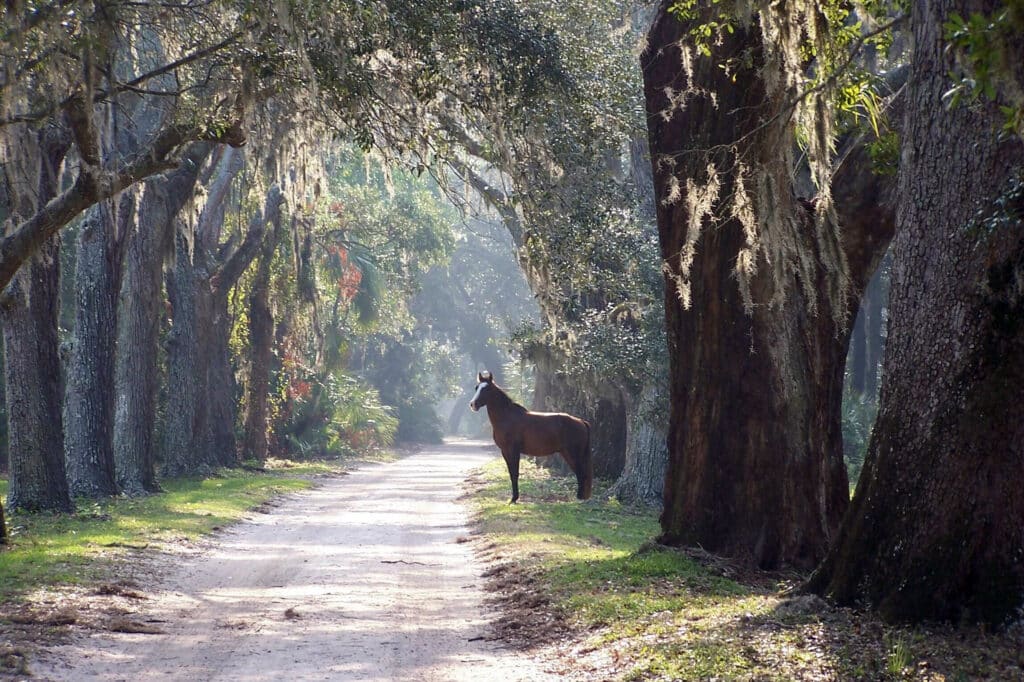
One of Cumberland Island's wild horses on a path in the maritime forest. Photo: Jenny Weaver
Just off the coast of St. Marys is a wild and storied barrier island, where feral horses roam beneath sprawling live oaks and historic ruins rise from the forest. Cumberland Island National Seashore is often celebrated for its pristine beaches and abundant wildlife, but the island’s greatest treasure may be its history.
For hundreds of years, people have been drawn to Cumberland Island’s natural beauty and resources. Native communities, European explorers, plantation owners, formerly enslaved families, and some of America’s wealthiest families have all left their mark on this remarkable barrier island. Today, visitors can explore these layers of history while experiencing one of Georgia’s most unique coastal destinations.
The First People of Cumberland Island
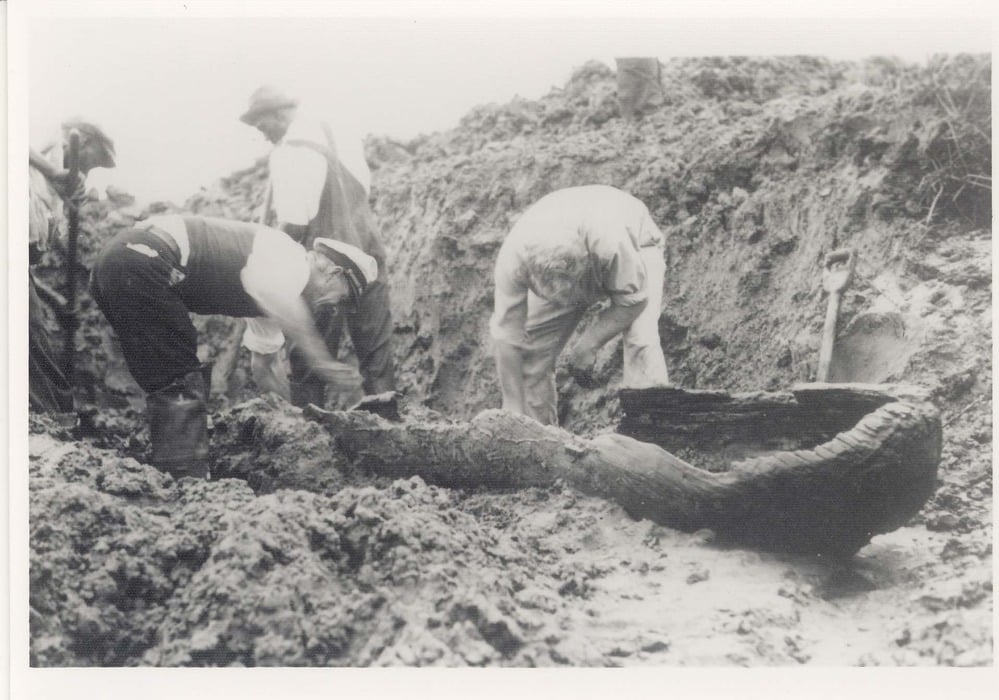
Long before mansions and plantations, Cumberland Island was home to indigenous communities who relied on the island’s abundant natural resources. Archaeological evidence shows that people have lived on and used the island for thousands of years, with some artifacts dating back more than 4,000 years. By the time Europeans arrived, Cumberland was inhabited by Timucua-speaking native people who lived along the coast and depended on fishing, hunting, and gathering.
Archeologists uncovering a Timucuan canoe on Cumberland Island, early 20th century. Photo: National Park Service
The island’s location provided everything needed for survival. Its marshes, tidal creeks, forests, and beaches offered oysters, fish, shellfish, deer, and other resources. Evidence of these early inhabitants remains today in archaeological sites scattered throughout the island.
Walking through Cumberland’s forests today, it is not difficult to imagine the generations of people who traveled these same paths long before modern visitors arrived. The island’s quiet beauty is part of what has always attracted people to this place.
Spanish Missions and European Exploration
The next chapter of Cumberland Island’s history began with European exploration during the 1500s. Spanish explorers arrived along the Georgia coast and established missions throughout the region as they expanded their influence in the Southeast.
By the early 1700s, competition between European powers had reached Georgia’s coast. In the 1730s, General James Edward Oglethorpe, who founded the British colony of Georgia, established Fort St. Andrews and Fort Prince William on Cumberland Island to help defend the colony’s southern boundary against Spanish Florida.
These early forts were part of a larger effort to secure Georgia’s coastline during a time when Spanish, British, and indigenous interests intersected. The island became a strategic location, valued not only for its natural resources, but also for its strategic position along the Atlantic coast.
Plantations and the Civil War Era
By the late 1700s and early 1800s, Cumberland Island became home to wealthy plantation owners who saw opportunity in the island’s fertile landscape. Sea Island cotton became a major agricultural crop, and enslaved people provided the labor that supported these plantations.
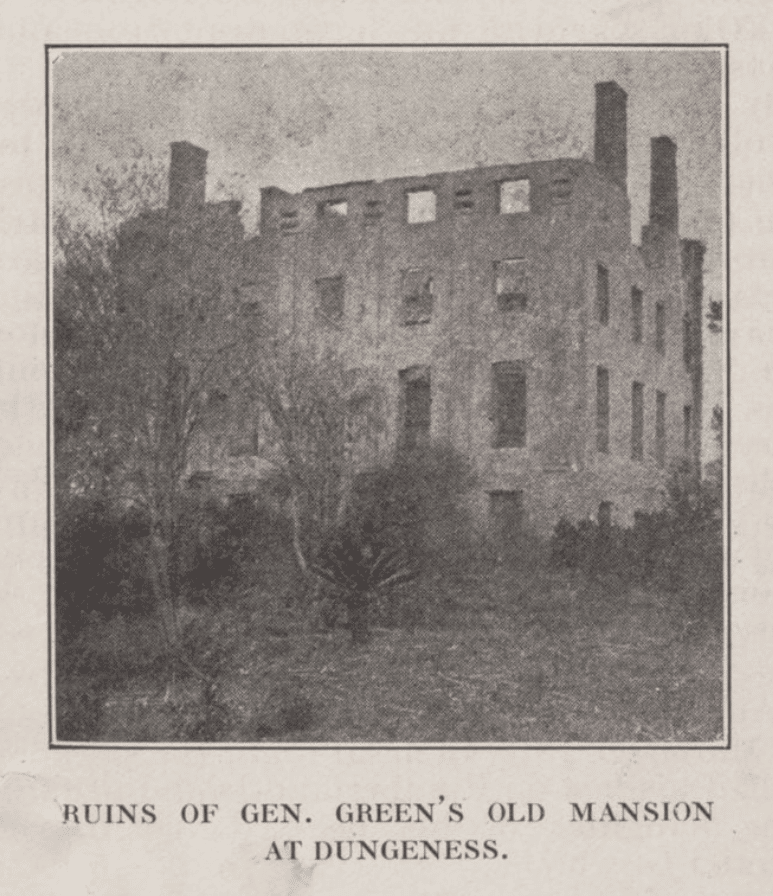
One of the most significant early estates was Dungeness, a plantation established by Catherine Greene, the widow of Revolutionary War hero Nathanael Greene, and her second husband Phineas Miller. The original Dungeness mansion was completed in 1803 and included cultivated gardens, agricultural fields, and orchards.
Ruins of the first Dungeness mansion, from "A History of Camden County" by James T. Vocelle, 1914. p. 76
The history of this period is complex. While plantation owners built large homes and developed the land, enslaved people lived and worked under a system that shaped the island’s economy and culture. Archaeological remains, including traces of enslaved communities, continue to provide important insight into this chapter of Cumberland Island’s past.
The Civil War brought major changes to Cumberland Island. As Union forces occupied the island and surrounding waters beginning in 1862, plantation owners fled and most of the island’s enslaved African American population left as well. After the war, some formerly enslaved people returned, while others remained on the island and built new lives as subsistence farmers. Efforts to redistribute confiscated land to formerly enslaved families were short-lived, and many properties eventually reverted to their prewar owners. In the decades that followed, African American families established a lasting community on the island’s north end that became known as The Settlement.
The Carnegie Era: A Gilded Age Retreat
Perhaps the most famous chapter in Cumberland Island’s history began in the late 1800s with the arrival of the Carnegie family.
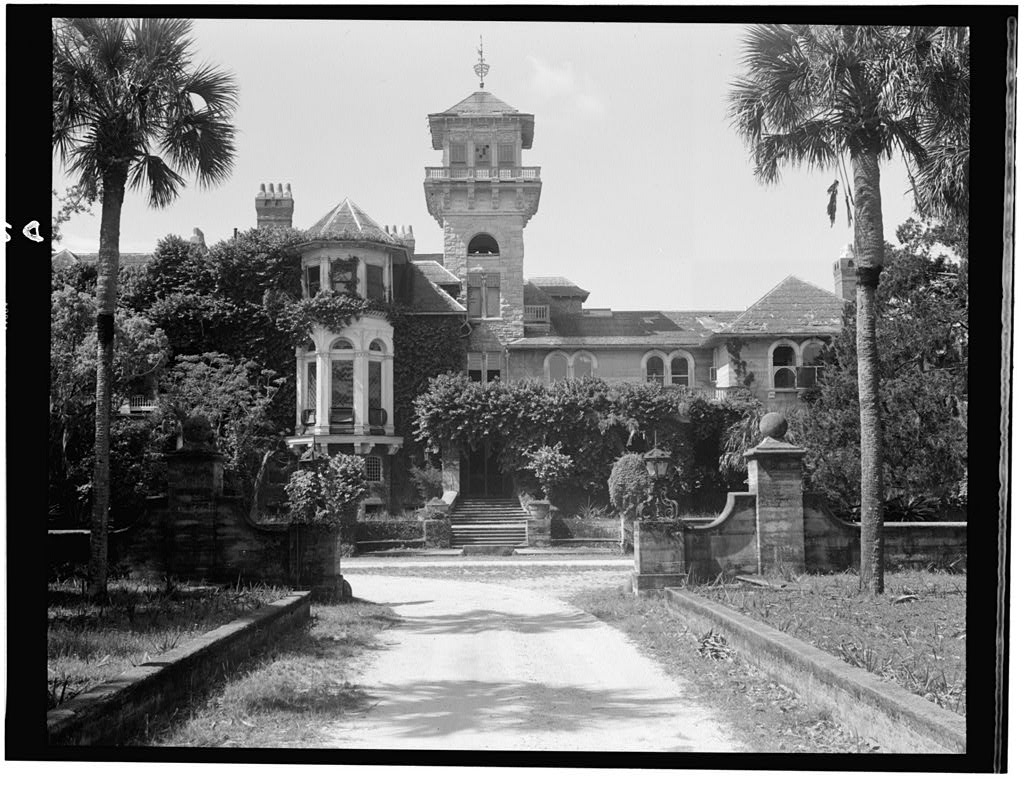
In the 1880s, Thomas Morrison Carnegie, the brother and business partner of industrialist Andrew Carnegie, and his wife Lucy Coleman Carnegie began developing their family estate on Cumberland Island. They built the famous Dungeness Mansion, a grand winter retreat designed for their family and guests.
Lucy Carnegie's mansion at Dungeness on Cumberland Island. Credit: Historic American Buildings Survey Philip E. Gardner, Photographer April 1958 FRONT ELEVATION FROM APPROACH ROAD (NORTHEAST) - Dungeness, Cumberland Island, Saint Marys, Camden County, GA. Source: Survey HABS GA-2160, Library of Congress.
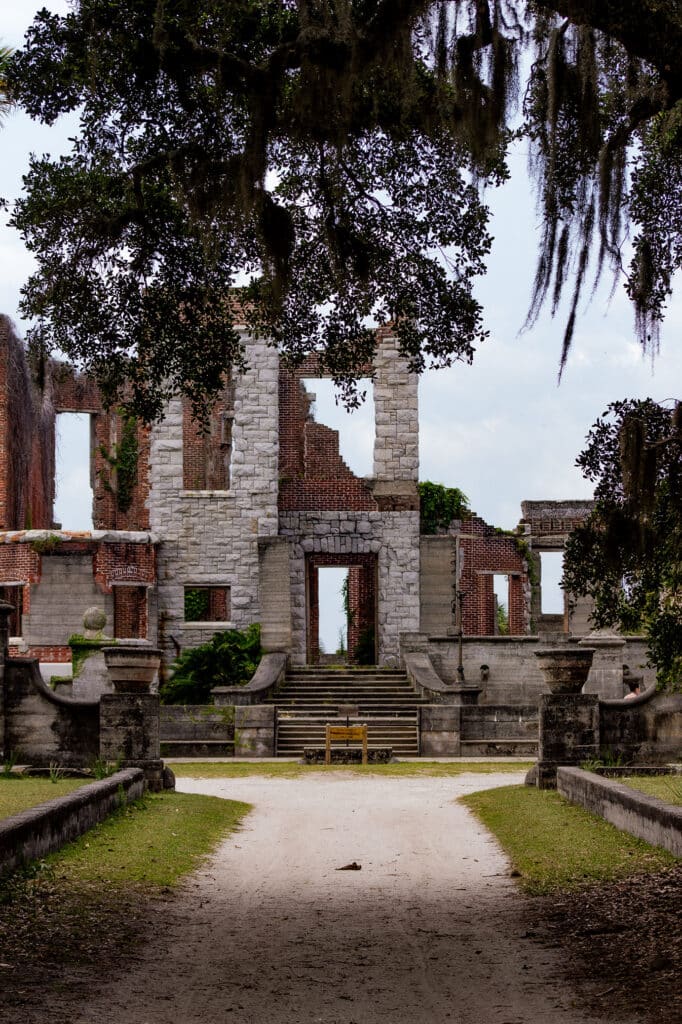
Present day Carnegie mansion at Dungeness, Cumberland Island National Seashore. Photo: KCVB
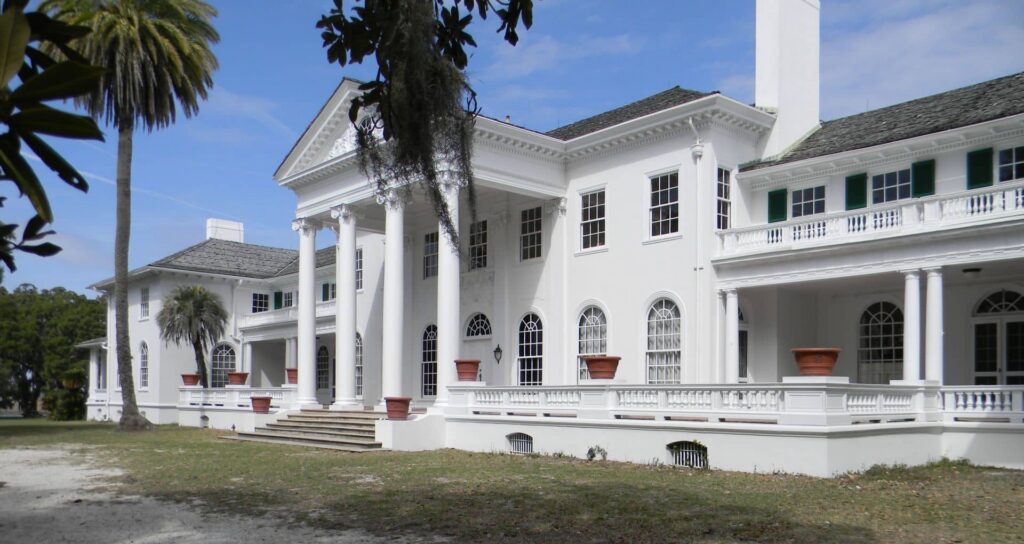
The Carnegie family also built other significant properties on the island, including Plum Orchard, a Georgian Revival mansion constructed between 1898 and 1906 for their son George Lauder Carnegie. The estate reflected the elegance and architectural style of wealthy American families during the early 20th century.
Plum Orchard mansion, Cumberland Island National Seashore. Photo: KCVB
Today, visitors can explore these historic sites and imagine a time when Cumberland Island served as a private retreat for one of America’s most influential families.
The Stories of The Settlement and African American Heritage
While many visitors come to Cumberland Island to see the Carnegie ruins, another important story exists on the island: the history of African American families who built communities there after emancipation.
The area known as The Settlement became home to formerly enslaved people and their descendants. These families created a lasting community connected to the land, fishing, farming, and island traditions.
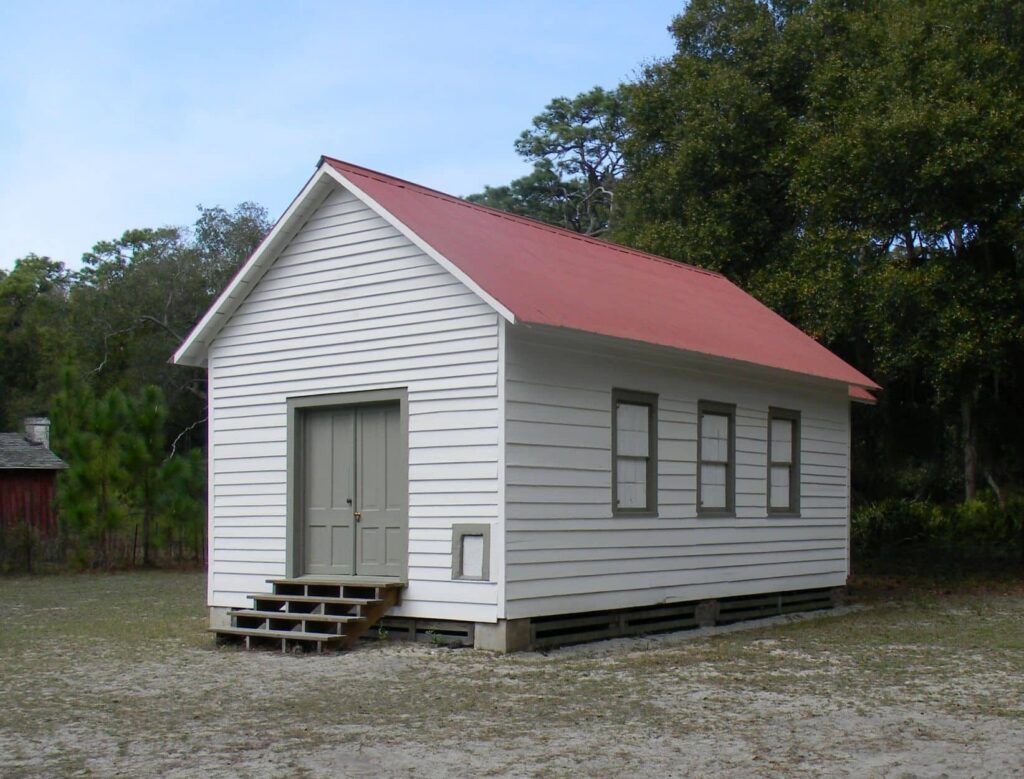
One of the most recognized landmarks in The Settlement is the First African Baptist Church, established in 1893. The present church building dates to the 1930s and remains an important symbol of faith and community on Cumberland Island. The church gained national attention when John F. Kennedy Jr. and Carolyn Bessette chose it as the location for their 1996 wedding.
First African Baptist Church, The Settlement, Cumberland Island National Seashore. Photo: KCVB
Protecting Cumberland Island's Future
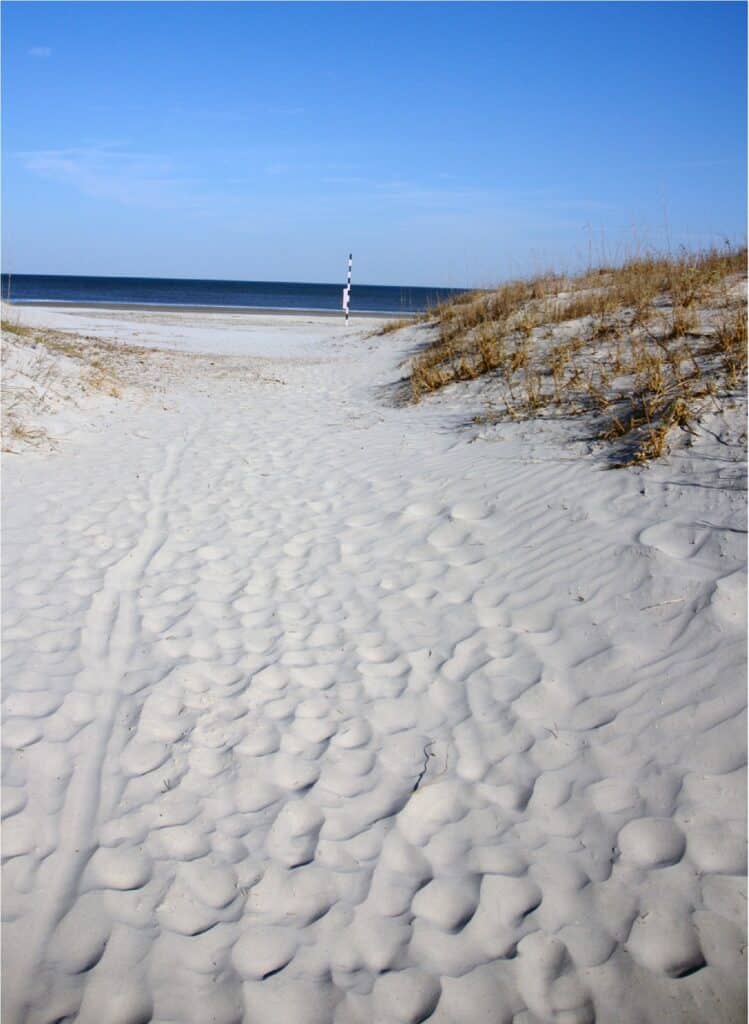
By the 1960s and 1970s, development pressures threatened Cumberland Island’s natural and historic landscapes. Conservation efforts led to the creation of Cumberland Island National Seashore in 1972, protecting much of the island for future generations.
Cumberland Island National Seashore. Photo: KCVB
Today, the National Park Service manages the island, preserving its beaches, forests, wildlife, and historic structures. Visitors can walk among the ruins of Dungeness, tour Plum Orchard, explore maritime forests, and experience the coastal landscapes that have inspired people for centuries.
A Living History Along Georgia's Coast
Cumberland Island is more than a beautiful barrier island. It is a living museum where every trail, ruin, and shoreline tells a story.
A visit here offers the chance for travelers to see wild horses grazing near historic structures, walk beneath forests that have stood for generations, and discover the many cultures and communities that shaped this special place.
From indigenous heritage to colonial conflicts, plantation history, Carnegie elegance, and conservation efforts, Cumberland Island’s past is as unforgettable as its scenery.
The island remains wild and untamed, but its stories are waiting for those willing to explore.
Sign up to receive our monthly newsletter containing the most up-to-date news, exciting announcements, specials and more! Subscribe below.
"*" indicates required fields
By submitting this form, you are consenting to receive marketing emails from: Kingsland Visitors Bureau & Welcome Center, 1190 East Boone Avenue, I-95 Exit 3, Kingsland, GA 31548, US, https://kingslandcvb.wpengine.com You can revoke your consent to receive emails at any time by using the SafeUnsubscribe® link, found at the bottom of every email. Emails are serviced by Constant Contact